A Month-by-Month Guide to the Pearl of Africa
Publication Date: March 2, 2026
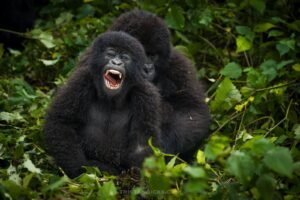
Uganda is not the kind of place you ease into. One moment you’re bouncing down a dirt road toward a hidden crater lake, and the next, you’re deep in a misty rainforest, locked in a profound silence with a family of mountain gorillas. Known as the “Pearl of Africa,” this equatorial nation is a land of dramatic contrasts, from the snow-capped peaks of the Rwenzori Mountains to the sprawling savannahs of the Nile .
But when should you go? Uganda’s weather doesn’t follow a fixed script. It has two dry seasons and two wet seasons, and the best time to visit depends entirely on what you want to do. Whether your dream is trekking through the Bwindi Impenetrable Forest or spotting lions in Queen Elizabeth National Park, this guide will help you time your trip perfectly .
Understanding Uganda’s Equatorial Climate
Despite lying on the equator, Uganda never experiences the extreme heat you might expect. Because most of the country sits on a high plateau, temperatures remain mild and pleasant year-round, usually hovering between 25°C and 29°C (77°F–84°F) during the day. The highlands, like Bwindi and the Rwenzoris, are significantly cooler, so you’ll always need a jacket for those misty mornings .
Instead of temperature, your travel plans will be dictated by rainfall. Uganda has two distinct rainy seasons and two dry seasons:
- Dry Seasons: December to February & June to August
- Wet Seasons: March to May & September to November
Here is a quick look at the average climate in Kampala to give you an idea of what to expect:
Month | Max Temp (°C) | Rainfall (mm) | Days of Rain | Best For… |
January | 29 | 67 | 12 | Gorilla trekking, classic safaris |
February | 29 | 75 | 13 | Wildlife viewing, easy road travel |
March | 28 | 141 | 18 | Birdwatching, green landscapes |
April | 28 | 194 | 23 | Birders on a budget, lush scenery |
May | 27 | 172 | 21 | Off-season deals, solitude |
June | 27 | 83 | 12 | Peak trekking & safaris |
July | 26 | 64 | 11 | Mountain hiking, peak wildlife viewing |
August | 27 | 86 | 13 | Combining trekking and safaris |
September | 27 | 94 | 15 | Shoulder season, birding begins |
October | 28 | 129 | 19 | Birdwatching peak, fewer crowds |
November | 28 | 163 | 20 | Green views, low-season travel |
December | 28 | 101 | 15 | Holiday travel, wildlife viewing |
The Dry Seasons: The Best Time for Classic Safaris and Trekking
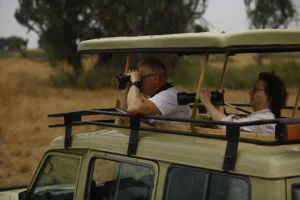
If you’re planning a packed itinerary with trekking, game drives, and lake time, stick to the dry months. The trails are firmer, the roads are more reliable, and the weather is far more manageable .
June to August: The Long Dry Season
This is the peak travel period in Uganda, and for good reason. The rains have washed away, leaving behind clear skies and golden savannahs.
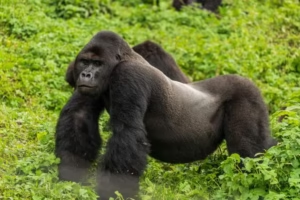
- Why go: This is the ultimate time for gorilla and chimpanzee trekking in Bwindi and Kibale. The trails are less slippery, and the footing is secure .
- Wildlife Viewing: In parks like Murchison Falls and Queen Elizabeth, the grass is shorter, and animals congregate around remaining water sources (like the Kazinga Channel), making them far easier to spot .
- Conditions: You’ll enjoy warm, sunny days and cooler nights. Be prepared for crowds at popular lodges and book your permits well in advance .
December to February: The Short Dry Season
This is another fantastic window for travel, offering similar benefits to the peak season but often with slightly fewer crowds (outside of the Christmas holiday rush).
- Why go: The weather is hot and dry in the north, while the south remains warm with cool breezes off Lake Victoria. It’s ideal for climbing Mount Elgon or tackling the Rwenzori Mountains .
- Wildlife Viewing: Excellent across the board. January and February are particularly good for seeing wildlife in Kidepo Valley National Park .
- Note: Book early if you plan to travel over Christmas and New Year .
“For the best mix of clear skies and easy travel, plan your visit between June and August. Trails are dry, wildlife is easier to spot, and you won’t spend half your trip stuck in the mud.” — Kellen, Uganda Travel Expert
The Wet Seasons: A Lush Paradise for Birders and Budget Travelers
Traveling during the rainy season requires flexibility, but it rewards you with a wilder, greener, and quieter Uganda. The rains usually come in short, heavy downpours, often followed by bright sunshine .
March to May: The Long Wet Season
This is when the country is at its most verdant. While it’s the least popular time for tourists, it has a unique charm.
- Why go: Birdwatching is at its peak. The landscape is vibrant, and migratory birds from Europe and North Africa fill the wetlands .
- The Experience: Gorilla trekking is still open, but it is much more physically demanding due to steep, muddy trails . The upside? Lodge prices drop, and you’ll have the parks almost to yourself .
- Heads up: Roads in remote areas can become challenging. If you’re visiting in April or May, plan for potential delays .
September to November: The Short Wet Season
This season is shorter but still intense, especially in the southwest.
- Why go: Like spring, this is a photographer’s dream. The landscapes are lush from the rain, but the skies can offer dramatic light. It’s another prime time for spotting the elusive Shoebill stork in wetlands like Mabamba Swamp .
- Chimpanzee Tracking: Interestingly, this is a fantastic time for chimp tracking in Kibale. Because there is plenty of fruit on the ground, the chimps don’t venture as deep into the forest, making them easier to find .
- Note: October tends to see the heaviest rainfall, so pack your best waterproof gear .
Month-by-Month Highlights
- January & February: The golden hours of the dry season. Perfect for photographers and trekkers .
- March: The first rains arrive. The birdlife becomes more active, and the hillsides begin to bloom .
- April & May: The low season. Expect dramatic downpours, misty forests, and magical encounters with gorillas in an intimate, rain-forest setting .
- June: The dry season returns. One of the best months for clear skies and wildlife viewing as animals crowd waterholes .
- July & August: Peak adventure. Ideal for combining gorillas in the southwest with rafting the Nile in Jinja .
- September: A shoulder month. The rains are returning, but early September is often dry and coincides with the Nyege Nyege music festival near Jinja .
- October & November: The “birders’ delight.” The wetlands are alive with color and sound. It’s muddy, but rewarding .
- December: The dry season returns just in time for the holidays. The country is green from the recent rains, but the skies are clearing up for safari adventures .
Final Verdict: When Should You Go?
- For the absolute best all-around experience (trekking, game drives, and road travel), plan your trip for June to August.
- For a quieter but still reliable trip, consider December to February.
- For birdwatching and lush photography, embrace the rain in March to May or October to November.
No matter when you go, remember that Uganda’s weather is becoming less predictable due to climate change. Even in the dry season, a tropical shower can appear out of nowhere, so always pack a rain jacket and a sense of adventure . The Pearl of Africa is waiting to surprise you.